EDITORIAL OPINION
BY KRISTEN BAYLES

What safety looks like
What a week without power and water taught me about preparation
Oftentimes, it’s the preparation that goes mostly-unseen and under-appreciated that keeps us safe.
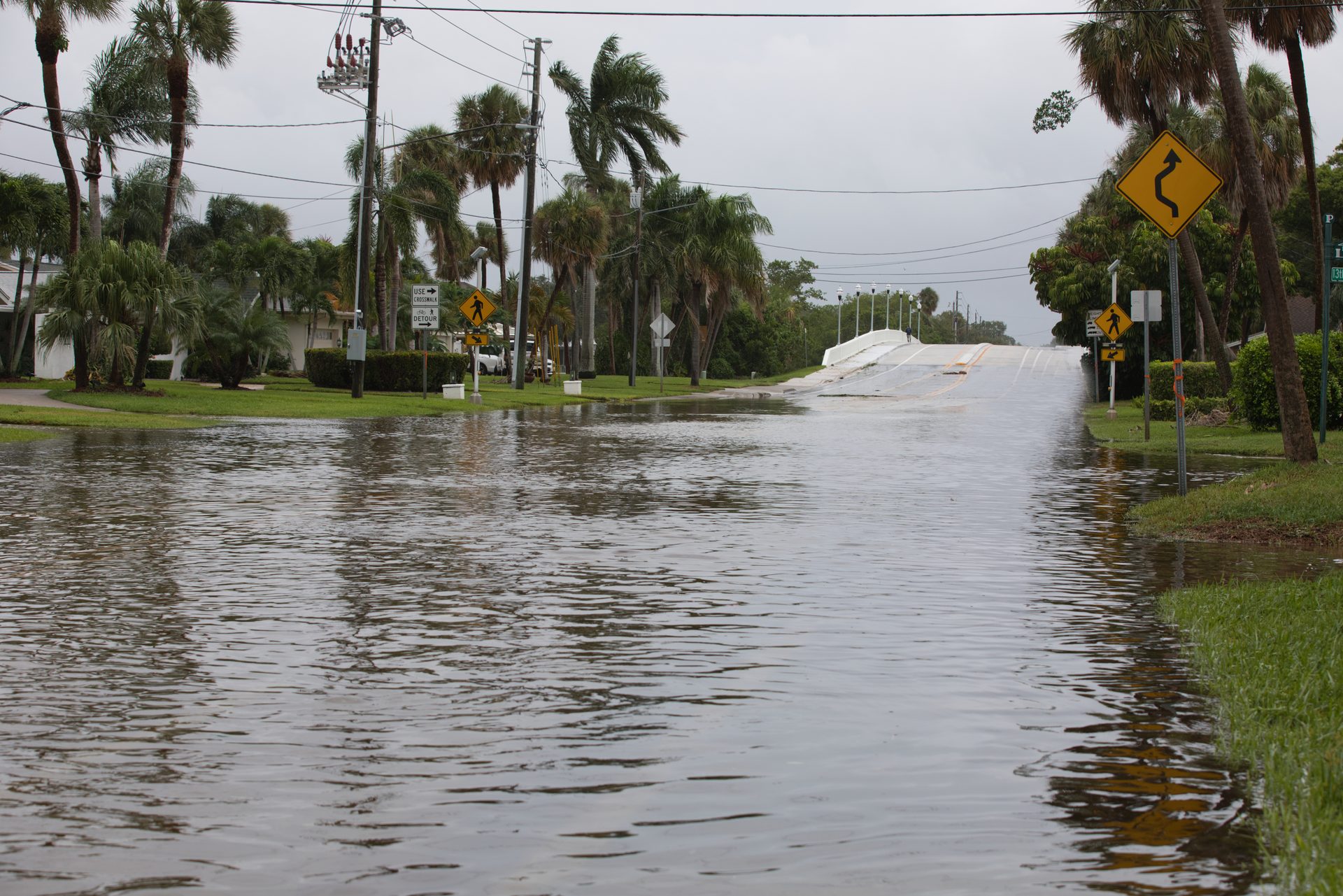
One of my fondest memories is a bit of a strange one. When I was a kid, my town was hit with a hurricane (bonus point to whoever can guess which one!) that wiped out our power for about ten days.
My parents volunteered our house to host the extended family, which meant my parents, my three siblings, our great aunt, two cousins, grandmother, great-grandmother and great-great aunt. I was about eight years old then, so I really didn’t understand the gravity of the situation; I watched my dad board up the windows and tagged along happily while my mom braved the over-crowded grocery store to stock up on the essentials without seeing how nervous they were. I remember being excited that school would be out, and happy to spend the week with my cousins.
We spent the first few days crowded around the radio listening for updates, reading by candlelight and eating canned foods and sandwiches for every meal. I can remember the sound of the rain and wind banging against the covered-windows at all hours, but I wasn’t really concerned with it, truthfully.
One day, my parents gathered all of the kids and told us we were going to play a game. They had made a blanket-fort in the bathtub, and given each of us flashlights, coloring books and crayons. They also brought out the battery-powered CD player, complete with the family’s collection of Disney CDs – and with three young girls in the family, you can be assured that we had plenty of those.
I still think about that day fondly. My siblings, cousins and I all laughed and sang along with the music while we played charades, colored and ate the snacks my mom would bring us. I still remember “choreographing” a dance to a Mulan song with my twin sister!
I had no idea that it was because the hurricane was suspected to be at its peak on that day. I just remember the fun I had; the sounds of the rain, wind and debris from around the town banging against the windows was drowned out by songs about being true to yourself (a Disney classic!) and our laughter.
Now that I’m older, I can understand that it was because of the care and attention my parents’ put into that day to keep us safe that I was able to enjoy it. Their preparation went mostly-unseen by us, and certainly under-appreciated.
What I remember less fondly — but more clearly now — is what we didn’t have: no running water, no flushing toilets, no showers and no way to cook or clean normally. And, as a kid, I didn’t frame that as infrastructure failure; I just knew everything felt harder.
Safety comes from preparation. Preparation comes from knowledge. As an industry, we know to be prepared for the worst; we know to create systems that will work not just when things are fine.
But, my parents had prepared. We may not have had running water, but they had countless bottles of water ready for everyone, and buckets filled with water to bathe with. Their preparation made what could have been absolute chaos into something that wasn’t scary for us as children; in fact, all of my siblings and I think of those memories fondly.
Looking back now, I’m reminded of the work – like that of my parents that week – that often goes unnoticed. Just like the preparation that goes into creating systems to keep houses, businesses, hospitals and entire communities running smoothly, it’s rarely visible when done well.
But, it’s foundational. Because when these systems fail, everything feels harder. That week without power or running water could have been a disaster, but we were ready for it. Life felt different, sure, but I still felt safe.
Safety comes from preparation. Preparation comes from knowledge. As an industry, we know to be prepared for the worst; we know to create systems that will work not just when things are fine; you design with foresign, knowing that things will go wrong, and that’s okay, because they can be fixed.
Preparation holds everything together. It’s not about pipes, pumps or infrastructure, at the end of the day; it’s about making normal life possible.
Image courtesy of Glen Richard / iStock / Getty Images Plus
Kristen Bayles is the Associate Editor for Plumbing & Mechanical and Supply House Times. Originally from Monroeville, Alabama, her family worked in the plumbing industry for many years. Kristen holds a Bachelor’s degree in English with a specialization in Language and Writing from the University of Montevallo. Prior to joining BNP in 2025, she worked as an editor in the jewelry industry.